Gutters are easy to overlook. They sit at the edge of your roof, they are not very exciting, and most homeowners only think about them when water is pouring over the side during a storm. But here in Mississippi, your gutters do some of the hardest work on your house.
Mississippi is one of the wettest states in the country. Most of the state averages well over 50 inches of rain a year, and parts of the Gulf Coast get even more. Add in summer thunderstorms, tropical systems, and hurricane season, and that is a lot of water landing on your roof. Every drop has to go somewhere. Gutters decide where.
At Strength Roofing & Siding, we have been protecting Mississippi homes for more than 45 years. In this guide, we will explain how gutters protect your roof, siding, landscaping, and foundation, what happens when they fail, and the warning signs every homeowner should watch for.
How Gutters Work: Your Home's Drainage System
A gutter system has one simple job: catch rainwater as it runs off the roof and carry it safely away from the house. It does that in three steps:
Collect. Gutters run along the roof edge and catch water before it falls.
Carry. The gutters are sloped slightly toward downspouts, so water flows instead of sitting.
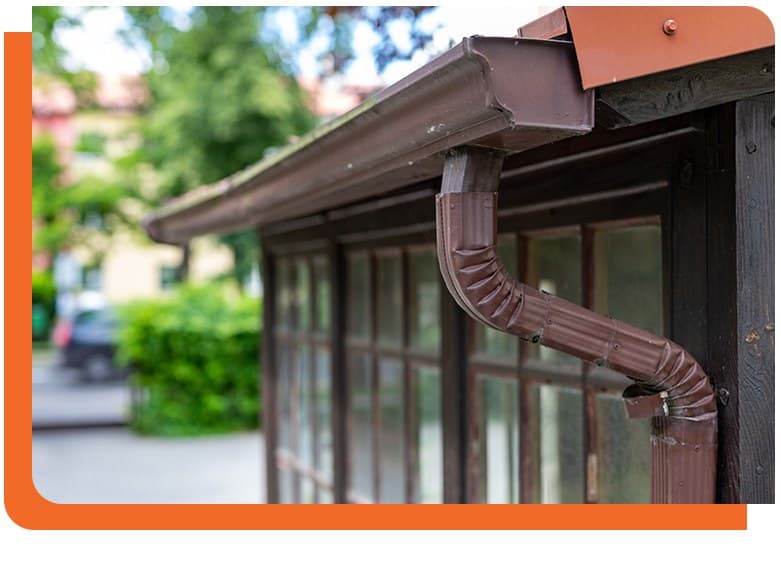
Release. Downspouts bring the water to the ground, where extensions or drains move it away from the foundation.
If any one of those steps breaks down, the whole system fails. A clogged gutter, a loose downspout, or a downspout that dumps water right next to the house can undo all the good the rest of the system does.
How Much Water Are We Talking About?
More than most people expect. A single inch of rain falling on 1,000 square feet of roof produces about 620 gallons of water. A typical Mississippi home with a 2,000 square foot roof could shed more than 1,200 gallons in one inch of rain. During a heavy summer storm or a tropical system that drops several inches, that number climbs fast.
Without gutters, all of that water falls straight off the roof edge and lands next to your home.
How Gutters Protect Your Roof
It may seem strange that gutters protect the roof, since water is already running off it. But the roof edge is one of the most vulnerable parts of your home.
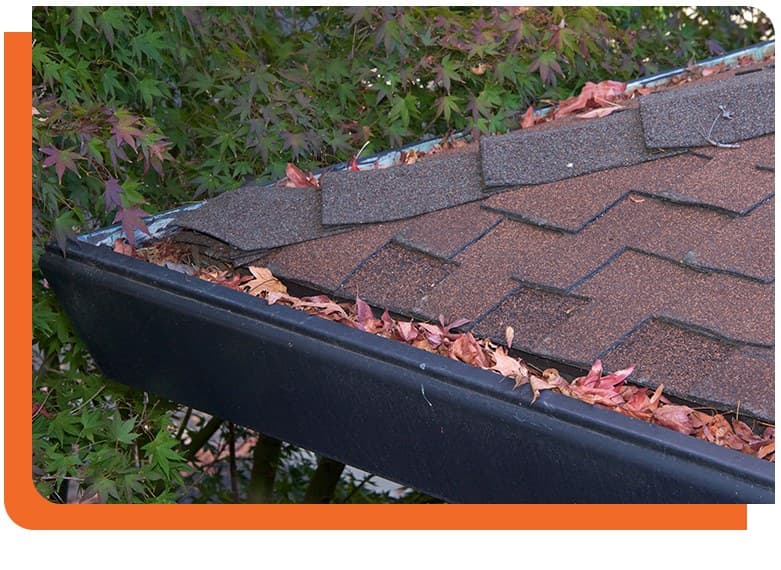
When gutters are clogged with leaves, pine needles, or shingle granules, water backs up and spills over. That standing water sits against the fascia, the board behind the gutter, and soaks into the wood. Over time, the fascia rots. Once that happens, water can work its way into the roof decking and the edge of your attic.
Overflowing gutters can also push water up under the first row of shingles and the drip edge. That is how a small gutter problem turns into a roof leak, wood rot, and repairs that cost far more than cleaning or replacing a gutter.
Rotted fascia also gives pests an easy way in. Squirrels, birds, and insects often find their way into attics through soft, damaged wood along the roof edge.
A properly working gutter system keeps water moving away from the roof edge, helping your fascia, decking, and shingles last as long as they should.
How Gutters Protect Your Siding and Exterior
When water pours off the roof edge, it does not just fall straight down. It splashes. Rain hitting the ground kicks mud and water back up onto your siding, and overflowing gutters can send water sheeting down the exterior walls.
In Mississippi's heat and humidity, that constant moisture causes problems quickly:
Stains and mildew. Dirt splash and damp walls lead to dark streaks, mildew, and algae growth on siding.
Wood rot. Wood siding, trim, and window frames soak up moisture and begin to rot.
Peeling paint. Repeated wetting breaks down paint and caulk, leaving surfaces exposed.
Hidden water damage. Water that gets behind siding can damage sheathing and framing, and you may not see it until the damage is serious.
Even durable products like fiber cement and vinyl siding last longer and look better when they are not getting soaked every time it rains. Doors, windows, porches, and walkways all benefit from water being directed away instead of dumped beside them.
Gutters also protect the people using your home. Without them, every entryway turns into a waterfall during a storm, and walkways can stay slick and muddy.
How Gutters Protect Your Landscaping
You put time and money into your yard. Without gutters, a heavy Mississippi rain can wash a lot of that away.
Water falling from the roof edge hits the same narrow strip of ground over and over. That steady pounding causes:
Soil erosion. Rain carves trenches along the drip line and washes soil and mulch out of flower beds.
Damaged plants. Shrubs and flowers under the roof edge get beaten down, and their roots can be exposed or drowned.
Puddles and soggy spots. Low areas near the house stay wet, which can kill grass and attract mosquitoes.
Washed out walkways. Soil under patios, sidewalks, and driveways can shift or wash out, leading to cracks and uneven surfaces.
Gutters and downspouts gather that water and release it in one controlled spot. With a good extension, splash block, or underground drain, the water moves away from your beds and toward an area of the yard that can handle it.
How Gutters Protect Your Foundation
This is the most important job your gutters do, and the most expensive one to get wrong. Foundation repairs often cost far more than an entire gutter system.
Mississippi Soil Makes Drainage Even More Important
Much of central Mississippi, including the Jackson metro, sits on Yazoo clay. This is a highly expansive clay that swells when it gets wet and shrinks when it dries out. When large amounts of roof water soak the soil on one side of a house, that soil swells and pushes. When it dries during a hot spell, it shrinks and pulls away. That constant cycle can move a foundation unevenly.
On the Gulf Coast, the challenges look different. Heavy tropical rains, a high water table, and sandy or silty soils mean water can pool around a home and wash soil out from under slabs, piers, and walkways.
Either way, the goal is the same: keep roof water from soaking the ground right next to your foundation.
What Happens When Water Collects Near the Foundation
Cracks and settling. Uneven soil movement can crack slabs and foundation walls and cause parts of the house to settle.
Crawlspace moisture. Many Mississippi homes are built on crawlspaces. Water around the perimeter can seep in, raising humidity, feeding mold, and softening wood framing.
Signs inside the house. Foundation movement often shows up as sticking doors and windows, cracks in drywall above door frames, gaps around trim, or uneven floors.
Get the Water Far Enough Away
It is not enough for downspouts to simply reach the ground. The water needs to be carried away from the house. As a general guide, downspouts should discharge several feet away from the foundation, and many building codes call for at least 5 feet on expansive soils like Yazoo clay. The ground around your home should also slope away from the house so water keeps moving instead of collecting.
Downspout extensions, splash blocks, and buried drain lines are simple ways to make that happen.
Warning Signs Your Gutters Are Not Doing Their Job
The best time to check your gutters is during or right after a good rain. Walk around the house and look for these signs:
Water spilling over the front or back of the gutters
Gutters sagging, leaning, or pulling away from the fascia
Leaks or drips at seams and corners
Peeling paint, rot, or dark stains on the fascia or siding
Downspouts that are loose, crushed, or disconnected
Puddles, erosion, or washed out mulch along the house
Plants or grass growing in the gutters
Water in the crawlspace or musty smells under the house
If you notice any of these, it is worth having your gutters looked at before a small problem becomes a costly repair.
Simple Gutter Maintenance Tips for Mississippi Homeowners
Clean gutters at least twice a year. Late spring and late fall are good times. Homes surrounded by pines and oaks often need more frequent cleaning, since pine needles and oak debris clog gutters fast.
Check before storm season. Clear gutters and downspouts before summer storms and hurricane season so they can handle heavy rain.
Make sure downspouts flow freely. Run a hose into the gutter and watch whether water drains quickly out the bottom of each downspout.
Extend every downspout. Add extensions or underground drains so water lands well away from the foundation.
Watch for shingle granules. A lot of granules in the gutters can mean your roof is aging and worth an inspection.
Consider gutter guards. Guards can cut down on clogs and cleaning, especially on homes with heavy tree cover.
Why Seamless Gutters Make a Difference
Traditional sectional gutters are joined every 10 feet or so, and every seam is a spot that can leak over time. Seamless aluminum gutters are formed on site to fit your home in continuous runs, so there are far fewer seams to fail. They also resist rust, look cleaner, and are sized to fit your roof and the amount of water it sheds.
Protect Your Home With Strength Roofing & Siding
Your roof, siding, gutters, and foundation all work together. When one part fails, the others pay the price. That is why it helps to work with a team that understands the whole exterior of your home.
Strength Roofing & Siding is a family run company that has served Mississippi homeowners for more than 45 years. We install and repair seamless aluminum gutters, and we also handle roofing, siding, windows, and storm damage, so we can spot drainage problems that affect more than just your gutters.
We serve homeowners across central Mississippi from our Byram showroom and Ridgeland office, including Jackson, Madison, Brandon, Pearl, Clinton, Vicksburg, and Meridian. Our Gulfport office serves the Gulf Coast and the Pine Belt, including Biloxi, Pascagoula, and Hattiesburg.
If your gutters are overflowing, sagging, or missing altogether, schedule a free estimate with Strength Roofing & Siding. Call our Jackson metro team at (601) 721-5876 or our Gulf Coast team at (228) 252-3996.
Frequently Asked Questions
Do I really need gutters on my house?
For most Mississippi homes, yes. With the amount of rain the state gets, gutters are one of the most effective ways to protect your fascia, siding, landscaping, and foundation from water damage.
How often should I clean my gutters?
At least twice a year. Homes with lots of pine or oak trees nearby may need cleaning more often, and it is smart to check them before storm season.
How far should downspouts drain from my house?
Several feet at minimum. On expansive clay soils like the Yazoo clay found around Jackson, many building codes call for at least 5 feet.
Can bad gutters cause foundation problems?
Yes. Water that repeatedly soaks the soil next to your home can cause the soil to swell, shrink, or wash away, which can lead to cracks, settling, and crawlspace moisture.
Are seamless gutters better than sectional gutters?
In most cases, yes. Seamless gutters have far fewer joints that can leak, and they are custom fit to your home on site.